Welcome to Liaocheng Junhan International Trade Co., Ltd.


-
PRODUCT CENTERThe main business scope: the production and sales of highway wave guardrail panels, columns, anti-blocking blocks, anti-glare plate brackets, bridge guardrail and other traffic protection facilities.
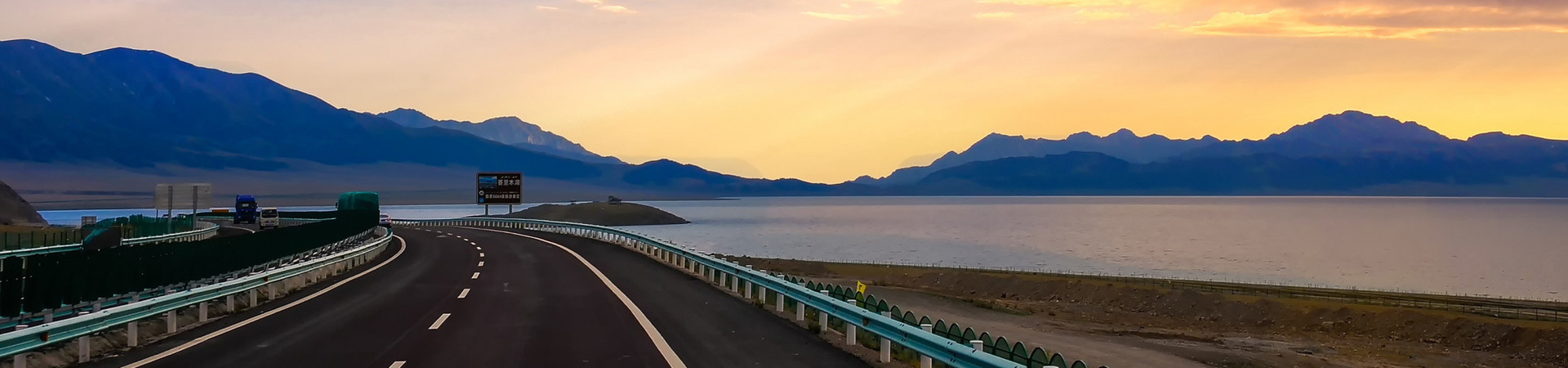
Choosing the Right Guardrail End for Your Road Infrastructure
Release time:
2024-01-25
Table of Contents: 1. Introduction: Enhancing Road Safety with the Right Guardrail End 2. Understanding Guardrail Ends: Types and Functions 3. Factors to Consider When Choosing a Guardrail End 3.1. Road Classification and Traffic Volume 3.2. Road Design and Geometry 3.3. Speed Limits and Design Speed 3.4. Geographical and Environmental Conditions 3.5. Crash Severity and Risk Assessm
Table of Contents:
1. Introduction: Enhancing Road Safety with the Right Guardrail End
2. Understanding Guardrail Ends: Types and Functions
3. Factors to Consider When Choosing a Guardrail End
3.1. Road Classification and Traffic Volume
3.2. Road Design and Geometry
3.3. Speed Limits and Design Speed
3.4. Geographical and Environmental Conditions
3.5. Crash Severity and Risk Assessment
3.6. Budget Constraints and Maintenance Requirements
4. Different Types of Guardrail Ends
4.1. Bullnose Ends
4.2. Flared Ends
4.3. Impact Attenuators
4.4. Energy-Absorbing Systems
4.5. Redirective Systems
4.6. Gate Systems
5. Frequently Asked Questions (FAQs)
5.1. What is the purpose of a guardrail end?
5.2. Can guardrail ends be customized for specific road conditions?
5.3. Are there any regulations or standards for guardrail ends?
5.4. How often should guardrail ends be maintained?
5.5. Can guardrail ends be retrofitted to existing road infrastructure?
6. Conclusion: Prioritizing Safety with the Right Guardrail End
1. Introduction: Enhancing Road Safety with the Right Guardrail End
When it comes to road infrastructure, safety is a top priority. Guardrails play a crucial role in protecting drivers and passengers by preventing vehicles from veering off the road or colliding with hazardous obstacles. However, not all guardrail ends are created equal. Choosing the right guardrail end for your road infrastructure is essential to ensure maximum effectiveness and minimize the risk of severe accidents. This article delves into the factors to consider and the different types of guardrail ends available to help you make an informed decision.
2. Understanding Guardrail Ends: Types and Functions
Guardrail ends are specifically designed components that terminate the length of a guardrail system. Their primary function is to provide a smooth and safe transition for errant vehicles that come into contact with the guardrail. By redirecting or absorbing the impact energy, guardrail ends mitigate the severity of collisions and reduce the potential for injuries and fatalities. Various factors influence the selection of the appropriate guardrail end, ensuring it aligns with the specific road infrastructure requirements.
3. Factors to Consider When Choosing a Guardrail End
3.1. Road Classification and Traffic Volume
The classification of the road and the volume of traffic it experiences are crucial factors in determining the suitable guardrail end. High-speed highways and freeways often require guardrail ends with superior impact resistance and redirection capabilities to handle the higher energy levels generated by vehicles traveling at high speeds. On the other hand, lower volume roads may prioritize cost-effectiveness while still maintaining a reasonable level of safety.
3.2. Road Design and Geometry
The design and geometry of the road, including curvature, slope, and alignment, must be taken into account when selecting a guardrail end. Different guardrail ends are designed to accommodate varying road conditions, ensuring a seamless transition for errant vehicles. Guardrail ends with flaring or redirective capabilities are often used on curved roads to provide effective protection.
3.3. Speed Limits and Design Speed
The speed limits imposed on the road and the design speed play a significant role in determining the appropriate guardrail end. Higher speed limits necessitate guardrail ends that can handle greater energy absorption and redirection. Design speed, which considers the anticipated speed at which vehicles will travel safely, helps determine the appropriate guardrail end for a specific road infrastructure.
3.4. Geographical and Environmental Conditions
The geographical and environmental conditions surrounding the road infrastructure must also be considered when selecting guardrail ends. Factors such as climate, soil stability, proximity to water bodies, and exposure to natural hazards can affect the performance and durability of guardrail ends. Coastal areas, for example, may require guardrail ends that are resistant to corrosion caused by saltwater exposure.
3.5. Crash Severity and Risk Assessment
Understanding the crash severity and conducting a risk assessment is vital in determining the most suitable guardrail end. Certain areas may have a higher risk of severe accidents due to factors like high traffic congestion or hazardous road conditions. Guardrail ends capable of absorbing maximum energy and providing better redirection can significantly reduce the severity of crashes and enhance overall road safety.
3.6. Budget Constraints and Maintenance Requirements
Budget constraints and maintenance requirements are practical considerations that need to be taken into account. While prioritizing safety, it is essential to find a balance between cost-effectiveness and long-term maintenance needs. Some guardrail ends may require more frequent inspections and maintenance, while others may have higher upfront costs but offer better durability and reduced maintenance efforts.
4. Different Types of Guardrail Ends
4.1. Bullnose Ends
Bullnose ends are semi-circular guardrail terminations that provide redirection capabilities for errant vehicles. They are effective in absorbing and redirecting impact energy, reducing the risk of severe accidents. Bullnose ends are commonly used in high-speed roadways and areas where the risk of head-on collisions is significant.
4.2. Flared Ends
Flared ends widen the guardrail horizontally, allowing for a smoother transition for vehicles that come into contact with the guardrail. They are particularly useful in curved sections of roads, ensuring the guardrail effectively guides errant vehicles along the road alignment without abrupt changes in direction.
4.3. Impact Attenuators
Impact attenuators, also known as crash cushions, are designed to absorb and dissipate kinetic energy during a collision. These guardrail ends are highly effective in reducing the impact severity, especially in areas with high-speed traffic. Impact attenuators are typically made of deformable materials that progressively crush upon impact, minimizing the risk of injuries.
4.4. Energy-Absorbing Systems
Energy-absorbing systems are engineered to absorb and dissipate collision energy through various mechanisms, such as hydraulic or cable-based technologies. These guardrail ends provide excellent protection and are commonly used in high-speed highways and freeways where the risk of severe accidents is higher.
4.5. Redirective Systems
Redirective systems are guardrail ends that redirect the vehicle away from hazardous obstacles or back onto the road alignment following an impact. These systems are designed to minimize the risk of secondary collisions and guide errant vehicles safely back into traffic flow.
4.6. Gate Systems
Gate systems offer a flexible barrier solution that can be temporarily opened to allow authorized vehicles to access restricted areas while maintaining safety for other road users. These guardrail ends are often used in areas where controlled access is required, such as construction sites or emergency response zones.
5. Frequently Asked Questions (FAQs)
5.1. What is the purpose of a guardrail end?
A guardrail end serves the purpose of providing a smooth and safe transition for errant vehicles that come into contact with the guardrail. By redirecting or absorbing the impact energy, guardrail ends mitigate the severity of collisions and reduce the potential for injuries and fatalities.
5.2. Can guardrail ends be customized for specific road conditions?
Yes, guardrail ends can be customized to suit specific road conditions. Factors such as road classification, design, speed limits, and crash severity are taken into consideration when selecting or designing guardrail ends.
5.3. Are there any regulations or standards for guardrail ends?
Yes, there are regulations and standards in place to ensure the quality and effectiveness of guardrail ends. Local transportation authorities and governing bodies often provide guidelines that must be followed when selecting and installing guardrail ends.
5.4. How often should guardrail ends be maintained?
The frequency of guardrail end maintenance depends on various factors such as traffic volume, environmental conditions, and the type of guardrail end used. Regular inspections should be conducted to identify any signs of damage or wear and tear that may compromise the safety and effectiveness of the guardrail end.
5.5. Can guardrail ends be retrofitted to existing road infrastructure?
Yes, guardrail ends can be retrofitted to existing road infrastructure. However, it is essential to assess the compatibility and feasibility of retrofitting based on the specific road conditions and the type of guardrail end being considered.
6. Conclusion: Prioritizing Safety with the Right Guardrail End
Choosing the right guardrail end for your road infrastructure is a critical decision that significantly impacts overall road safety. By considering factors such as road classification, design, speed limits, crash severity, and maintenance requirements, you can select a guardrail end that provides optimal protection and minimizes the risk of severe accidents. Understanding the various types of guardrail ends available and their specific functions enables you to make an informed choice that prioritizes safety and ensures the effective management of your road infrastructure.
1. Introduction: Enhancing Road Safety with the Right Guardrail End
2. Understanding Guardrail Ends: Types and Functions
3. Factors to Consider When Choosing a Guardrail End
3.1. Road Classification and Traffic Volume
3.2. Road Design and Geometry
3.3. Speed Limits and Design Speed
3.4. Geographical and Environmental Conditions
3.5. Crash Severity and Risk Assessment
3.6. Budget Constraints and Maintenance Requirements
4. Different Types of Guardrail Ends
4.1. Bullnose Ends
4.2. Flared Ends
4.3. Impact Attenuators
4.4. Energy-Absorbing Systems
4.5. Redirective Systems
4.6. Gate Systems
5. Frequently Asked Questions (FAQs)
5.1. What is the purpose of a guardrail end?
5.2. Can guardrail ends be customized for specific road conditions?
5.3. Are there any regulations or standards for guardrail ends?
5.4. How often should guardrail ends be maintained?
5.5. Can guardrail ends be retrofitted to existing road infrastructure?
6. Conclusion: Prioritizing Safety with the Right Guardrail End
1. Introduction: Enhancing Road Safety with the Right Guardrail End
When it comes to road infrastructure, safety is a top priority. Guardrails play a crucial role in protecting drivers and passengers by preventing vehicles from veering off the road or colliding with hazardous obstacles. However, not all guardrail ends are created equal. Choosing the right guardrail end for your road infrastructure is essential to ensure maximum effectiveness and minimize the risk of severe accidents. This article delves into the factors to consider and the different types of guardrail ends available to help you make an informed decision.
2. Understanding Guardrail Ends: Types and Functions
Guardrail ends are specifically designed components that terminate the length of a guardrail system. Their primary function is to provide a smooth and safe transition for errant vehicles that come into contact with the guardrail. By redirecting or absorbing the impact energy, guardrail ends mitigate the severity of collisions and reduce the potential for injuries and fatalities. Various factors influence the selection of the appropriate guardrail end, ensuring it aligns with the specific road infrastructure requirements.
3. Factors to Consider When Choosing a Guardrail End
3.1. Road Classification and Traffic Volume
The classification of the road and the volume of traffic it experiences are crucial factors in determining the suitable guardrail end. High-speed highways and freeways often require guardrail ends with superior impact resistance and redirection capabilities to handle the higher energy levels generated by vehicles traveling at high speeds. On the other hand, lower volume roads may prioritize cost-effectiveness while still maintaining a reasonable level of safety.
3.2. Road Design and Geometry
The design and geometry of the road, including curvature, slope, and alignment, must be taken into account when selecting a guardrail end. Different guardrail ends are designed to accommodate varying road conditions, ensuring a seamless transition for errant vehicles. Guardrail ends with flaring or redirective capabilities are often used on curved roads to provide effective protection.
3.3. Speed Limits and Design Speed
The speed limits imposed on the road and the design speed play a significant role in determining the appropriate guardrail end. Higher speed limits necessitate guardrail ends that can handle greater energy absorption and redirection. Design speed, which considers the anticipated speed at which vehicles will travel safely, helps determine the appropriate guardrail end for a specific road infrastructure.
3.4. Geographical and Environmental Conditions
The geographical and environmental conditions surrounding the road infrastructure must also be considered when selecting guardrail ends. Factors such as climate, soil stability, proximity to water bodies, and exposure to natural hazards can affect the performance and durability of guardrail ends. Coastal areas, for example, may require guardrail ends that are resistant to corrosion caused by saltwater exposure.
3.5. Crash Severity and Risk Assessment
Understanding the crash severity and conducting a risk assessment is vital in determining the most suitable guardrail end. Certain areas may have a higher risk of severe accidents due to factors like high traffic congestion or hazardous road conditions. Guardrail ends capable of absorbing maximum energy and providing better redirection can significantly reduce the severity of crashes and enhance overall road safety.
3.6. Budget Constraints and Maintenance Requirements
Budget constraints and maintenance requirements are practical considerations that need to be taken into account. While prioritizing safety, it is essential to find a balance between cost-effectiveness and long-term maintenance needs. Some guardrail ends may require more frequent inspections and maintenance, while others may have higher upfront costs but offer better durability and reduced maintenance efforts.
4. Different Types of Guardrail Ends
4.1. Bullnose Ends
Bullnose ends are semi-circular guardrail terminations that provide redirection capabilities for errant vehicles. They are effective in absorbing and redirecting impact energy, reducing the risk of severe accidents. Bullnose ends are commonly used in high-speed roadways and areas where the risk of head-on collisions is significant.
4.2. Flared Ends
Flared ends widen the guardrail horizontally, allowing for a smoother transition for vehicles that come into contact with the guardrail. They are particularly useful in curved sections of roads, ensuring the guardrail effectively guides errant vehicles along the road alignment without abrupt changes in direction.
4.3. Impact Attenuators
Impact attenuators, also known as crash cushions, are designed to absorb and dissipate kinetic energy during a collision. These guardrail ends are highly effective in reducing the impact severity, especially in areas with high-speed traffic. Impact attenuators are typically made of deformable materials that progressively crush upon impact, minimizing the risk of injuries.
4.4. Energy-Absorbing Systems
Energy-absorbing systems are engineered to absorb and dissipate collision energy through various mechanisms, such as hydraulic or cable-based technologies. These guardrail ends provide excellent protection and are commonly used in high-speed highways and freeways where the risk of severe accidents is higher.
4.5. Redirective Systems
Redirective systems are guardrail ends that redirect the vehicle away from hazardous obstacles or back onto the road alignment following an impact. These systems are designed to minimize the risk of secondary collisions and guide errant vehicles safely back into traffic flow.
4.6. Gate Systems
Gate systems offer a flexible barrier solution that can be temporarily opened to allow authorized vehicles to access restricted areas while maintaining safety for other road users. These guardrail ends are often used in areas where controlled access is required, such as construction sites or emergency response zones.
5. Frequently Asked Questions (FAQs)
5.1. What is the purpose of a guardrail end?
A guardrail end serves the purpose of providing a smooth and safe transition for errant vehicles that come into contact with the guardrail. By redirecting or absorbing the impact energy, guardrail ends mitigate the severity of collisions and reduce the potential for injuries and fatalities.
5.2. Can guardrail ends be customized for specific road conditions?
Yes, guardrail ends can be customized to suit specific road conditions. Factors such as road classification, design, speed limits, and crash severity are taken into consideration when selecting or designing guardrail ends.
5.3. Are there any regulations or standards for guardrail ends?
Yes, there are regulations and standards in place to ensure the quality and effectiveness of guardrail ends. Local transportation authorities and governing bodies often provide guidelines that must be followed when selecting and installing guardrail ends.
5.4. How often should guardrail ends be maintained?
The frequency of guardrail end maintenance depends on various factors such as traffic volume, environmental conditions, and the type of guardrail end used. Regular inspections should be conducted to identify any signs of damage or wear and tear that may compromise the safety and effectiveness of the guardrail end.
5.5. Can guardrail ends be retrofitted to existing road infrastructure?
Yes, guardrail ends can be retrofitted to existing road infrastructure. However, it is essential to assess the compatibility and feasibility of retrofitting based on the specific road conditions and the type of guardrail end being considered.
6. Conclusion: Prioritizing Safety with the Right Guardrail End
Choosing the right guardrail end for your road infrastructure is a critical decision that significantly impacts overall road safety. By considering factors such as road classification, design, speed limits, crash severity, and maintenance requirements, you can select a guardrail end that provides optimal protection and minimizes the risk of severe accidents. Understanding the various types of guardrail ends available and their specific functions enables you to make an informed choice that prioritizes safety and ensures the effective management of your road infrastructure.
Latest News