Welcome to Liaocheng Junhan International Trade Co., Ltd.


-
PRODUCT CENTERThe main business scope: the production and sales of highway wave guardrail panels, columns, anti-blocking blocks, anti-glare plate brackets, bridge guardrail and other traffic protection facilities.
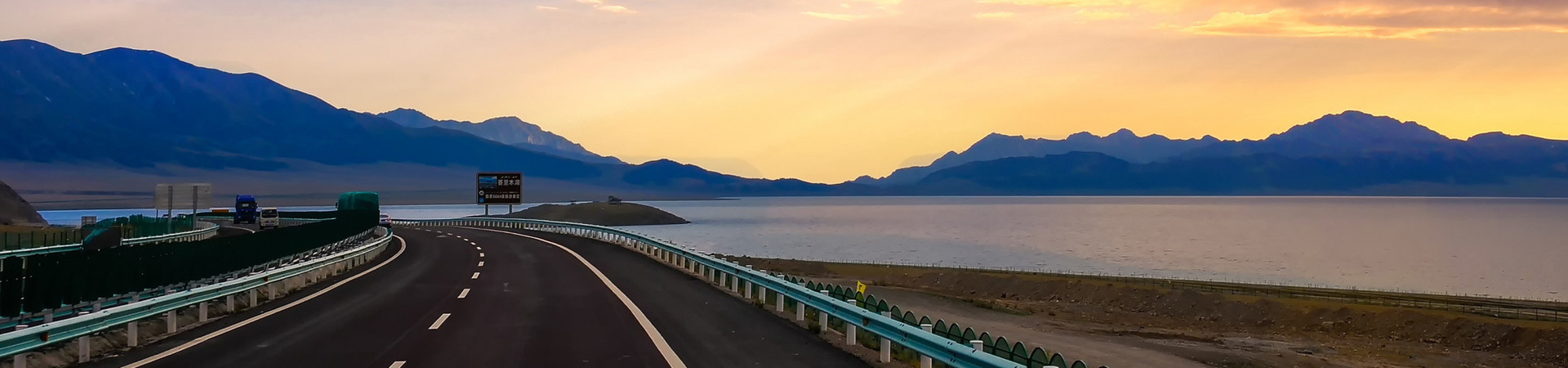
The Role of Guardrails in Preventing Road Accidents: Enhancing Safety and Minimizing Risks
Release time:
2023-10-17
Table of Contents: 1. Introduction: Understanding the Significance of Guardrails 2. The Types of Guardrails: Exploring the Varieties 3. The Installation Process: Ensuring Proper Placement 4. Guardrails and Accident Prevention: How They Save Lives 5. The Impact of Guardrails on Road Safety: Statistics and Studies 6. Frequently Asked Questions (FAQs) 7. Conclusion: The Crucial Role of Guardrails in
Table of Contents:
1. Introduction: Understanding the Significance of Guardrails
2. The Types of Guardrails: Exploring the Varieties
3. The Installation Process: Ensuring Proper Placement
4. Guardrails and Accident Prevention: How They Save Lives
5. The Impact of Guardrails on Road Safety: Statistics and Studies
6. Frequently Asked Questions (FAQs)
7. Conclusion: The Crucial Role of Guardrails in Road Safety
Road accidents are a significant concern worldwide, resulting in injuries, fatalities, and extensive property damage. To improve road safety and minimize the risks associated with accidents, various safety measures are implemented. One crucial element in preventing road accidents is the installation of guardrails.
Guardrails are protective barriers designed to reduce the severity of accidents, protect vehicles from leaving the road, and minimize the impact on drivers, passengers, and pedestrians. These safety barriers are typically made from steel, wood, or concrete, and are strategically placed along roads and highways.
Guardrails come in various types, each offering specific benefits and functionality. Some common types include:
- W-Beam Guardrails: These are the most common type of guardrails, consisting of a series of steel beams connected together. The W-shape design helps absorb impact energy and redirect vehicles away from potential hazards.
- Cable Guardrails: Cable guardrails utilize high-tension cables instead of solid barriers. They are flexible and capable of absorbing impact energy, reducing the severity of accidents.
- Concrete Barrier Guardrails: These guardrails are made from reinforced concrete and are ideal for separating traffic lanes and protecting against larger vehicles. They provide high levels of protection but require significant space for installation.
The installation of guardrails follows specific guidelines and standards to ensure their effectiveness. The process involves:
- Site Assessment: Before installation, a thorough site assessment is conducted to identify areas prone to accidents and determine the most suitable guardrail type.
- Design and Planning: Based on the site assessment, engineers develop a detailed plan for the guardrail installation, considering factors such as road geometry, traffic volume, and potential impact forces.
- Installation and Maintenance: Highly trained professionals install the guardrails according to the design specifications. Regular maintenance and inspections are carried out to ensure their structural integrity and functionality.
Guardrails play a crucial role in accident prevention by:
- Containing Vehicles: Guardrails prevent vehicles from leaving the road, reducing the likelihood of collisions with other objects or entering hazardous areas such as deep ditches or bodies of water.
- Absorbing Impact Energy: The design of guardrails allows for the absorption and redistribution of impact energy, effectively reducing the severity of accidents and minimizing injuries to vehicle occupants.
- Redirecting Vehicles: When a collision occurs, guardrails redirect the vehicle away from potential hazards, such as oncoming traffic or roadside obstacles, mitigating the risk of further accidents.
Extensive research and studies have demonstrated the positive impact of guardrails on road safety:
- According to the Federal Highway Administration (FHWA), guardrails reduce the severity of accidents by up to 80% and decrease fatalities by approximately 60%.
- A study published in the Journal of Safety Research found that the installation of guardrails reduced the likelihood of a vehicle running off the road by 50%.
- The Insurance Institute for Highway Safety (IIHS) reported that guardrails significantly reduce the risk of severe injuries and fatalities in roadside crashes.
Q1: Are guardrails only necessary on highways?
Q2: How often should guardrails be inspected?
Q3: Can guardrails withstand severe weather conditions?
Q4: What are the cost implications of installing guardrails?
Q5: Are guardrails effective in preventing pedestrian accidents?
No, guardrails are not limited to highways. They are essential on various road types, including rural roads, urban streets, and intersections where there is a potential risk of vehicles leaving the roadway.
Guardrails should be inspected regularly to ensure their structural integrity. The frequency of inspections depends on factors such as traffic volume, weather conditions, and the type of guardrail. Typically, inspections are conducted at least once a year.
Yes, guardrails are designed to withstand a wide range of weather conditions, including extreme heat, cold, rain, and snow. However, regular maintenance and inspections are necessary to identify any damage caused by severe weather and ensure timely repairs.
The cost of installing guardrails varies depending on factors such as the length of road requiring protection, the type of guardrail, and local regulations. However, the investment in guardrails is justified by the potential lives saved and reduced property damage in the event of an accident.
While guardrails primarily aim to protect vehicles and their occupants, they can also contribute to pedestrian safety. Guardrails provide a physical barrier that separates pedestrians from moving traffic, reducing the risk of accidents and providing a safer environment for pedestrians.
Guardrails are essential safety features that play a vital role in preventing road accidents, protecting drivers, passengers, and pedestrians, and minimizing the severity of accidents. With their ability to contain, absorb, and redirect impact energy, guardrails significantly enhance road safety and create a safer environment for all road users. By understanding their importance and promoting their installation, we can work towards reducing the number of accidents and making our roads safer for everyone.
1. Introduction: Understanding the Significance of Guardrails
2. The Types of Guardrails: Exploring the Varieties
3. The Installation Process: Ensuring Proper Placement
4. Guardrails and Accident Prevention: How They Save Lives
5. The Impact of Guardrails on Road Safety: Statistics and Studies
6. Frequently Asked Questions (FAQs)
7. Conclusion: The Crucial Role of Guardrails in Road Safety
1. Introduction: Understanding the Significance of Guardrails
Road accidents are a significant concern worldwide, resulting in injuries, fatalities, and extensive property damage. To improve road safety and minimize the risks associated with accidents, various safety measures are implemented. One crucial element in preventing road accidents is the installation of guardrails.
Guardrails are protective barriers designed to reduce the severity of accidents, protect vehicles from leaving the road, and minimize the impact on drivers, passengers, and pedestrians. These safety barriers are typically made from steel, wood, or concrete, and are strategically placed along roads and highways.
2. The Types of Guardrails: Exploring the Varieties
Guardrails come in various types, each offering specific benefits and functionality. Some common types include:
- W-Beam Guardrails: These are the most common type of guardrails, consisting of a series of steel beams connected together. The W-shape design helps absorb impact energy and redirect vehicles away from potential hazards.
- Cable Guardrails: Cable guardrails utilize high-tension cables instead of solid barriers. They are flexible and capable of absorbing impact energy, reducing the severity of accidents.
- Concrete Barrier Guardrails: These guardrails are made from reinforced concrete and are ideal for separating traffic lanes and protecting against larger vehicles. They provide high levels of protection but require significant space for installation.
3. The Installation Process: Ensuring Proper Placement
The installation of guardrails follows specific guidelines and standards to ensure their effectiveness. The process involves:
- Site Assessment: Before installation, a thorough site assessment is conducted to identify areas prone to accidents and determine the most suitable guardrail type.
- Design and Planning: Based on the site assessment, engineers develop a detailed plan for the guardrail installation, considering factors such as road geometry, traffic volume, and potential impact forces.
- Installation and Maintenance: Highly trained professionals install the guardrails according to the design specifications. Regular maintenance and inspections are carried out to ensure their structural integrity and functionality.
4. Guardrails and Accident Prevention: How They Save Lives
Guardrails play a crucial role in accident prevention by:
- Containing Vehicles: Guardrails prevent vehicles from leaving the road, reducing the likelihood of collisions with other objects or entering hazardous areas such as deep ditches or bodies of water.
- Absorbing Impact Energy: The design of guardrails allows for the absorption and redistribution of impact energy, effectively reducing the severity of accidents and minimizing injuries to vehicle occupants.
- Redirecting Vehicles: When a collision occurs, guardrails redirect the vehicle away from potential hazards, such as oncoming traffic or roadside obstacles, mitigating the risk of further accidents.
5. The Impact of Guardrails on Road Safety: Statistics and Studies
Extensive research and studies have demonstrated the positive impact of guardrails on road safety:
- According to the Federal Highway Administration (FHWA), guardrails reduce the severity of accidents by up to 80% and decrease fatalities by approximately 60%.
- A study published in the Journal of Safety Research found that the installation of guardrails reduced the likelihood of a vehicle running off the road by 50%.
- The Insurance Institute for Highway Safety (IIHS) reported that guardrails significantly reduce the risk of severe injuries and fatalities in roadside crashes.
6. Frequently Asked Questions (FAQs)
Q1: Are guardrails only necessary on highways?
Q2: How often should guardrails be inspected?
Q3: Can guardrails withstand severe weather conditions?
Q4: What are the cost implications of installing guardrails?
Q5: Are guardrails effective in preventing pedestrian accidents?
Q1: Are guardrails only necessary on highways?
No, guardrails are not limited to highways. They are essential on various road types, including rural roads, urban streets, and intersections where there is a potential risk of vehicles leaving the roadway.
Q2: How often should guardrails be inspected?
Guardrails should be inspected regularly to ensure their structural integrity. The frequency of inspections depends on factors such as traffic volume, weather conditions, and the type of guardrail. Typically, inspections are conducted at least once a year.
Q3: Can guardrails withstand severe weather conditions?
Yes, guardrails are designed to withstand a wide range of weather conditions, including extreme heat, cold, rain, and snow. However, regular maintenance and inspections are necessary to identify any damage caused by severe weather and ensure timely repairs.
Q4: What are the cost implications of installing guardrails?
The cost of installing guardrails varies depending on factors such as the length of road requiring protection, the type of guardrail, and local regulations. However, the investment in guardrails is justified by the potential lives saved and reduced property damage in the event of an accident.
Q5: Are guardrails effective in preventing pedestrian accidents?
While guardrails primarily aim to protect vehicles and their occupants, they can also contribute to pedestrian safety. Guardrails provide a physical barrier that separates pedestrians from moving traffic, reducing the risk of accidents and providing a safer environment for pedestrians.
7. Conclusion: The Crucial Role of Guardrails in Road Safety
Guardrails are essential safety features that play a vital role in preventing road accidents, protecting drivers, passengers, and pedestrians, and minimizing the severity of accidents. With their ability to contain, absorb, and redirect impact energy, guardrails significantly enhance road safety and create a safer environment for all road users. By understanding their importance and promoting their installation, we can work towards reducing the number of accidents and making our roads safer for everyone.
Latest News