Welcome to Liaocheng Junhan International Trade Co., Ltd.


-
PRODUCT CENTERThe main business scope: the production and sales of highway wave guardrail panels, columns, anti-blocking blocks, anti-glare plate brackets, bridge guardrail and other traffic protection facilities.
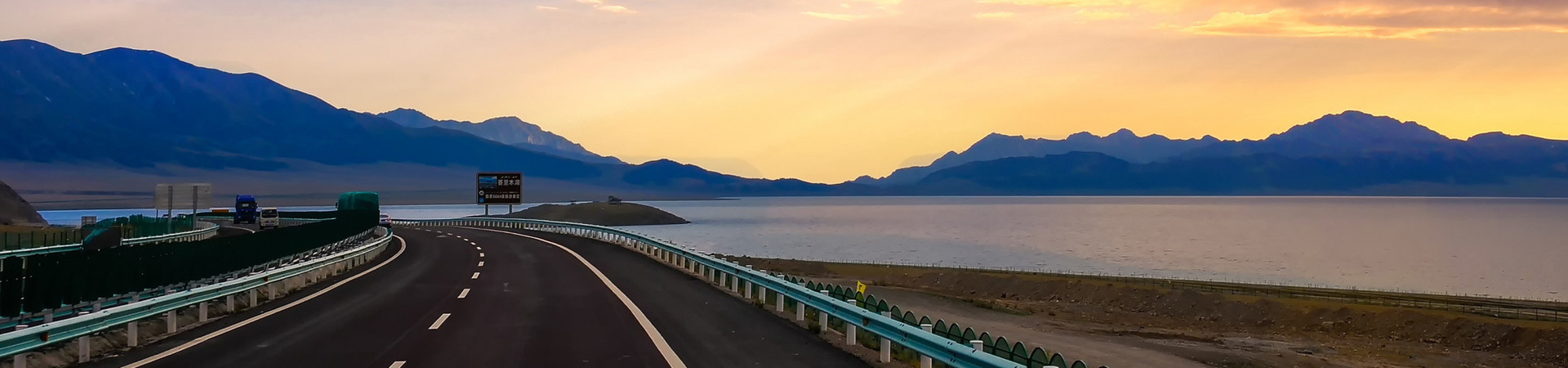
Why Guard Rails are Essential for Bridge Safety: Ensuring a Secure Journey for All
Release time:
2023-09-20
Table of Contents: 1. Introduction: Ensuring Safe Passage 2. The Significance of Guard Rails in Bridge Safety 2.1 Preventing Accidents and Mitigating Hazards 2.2 Protecting Pedestrians and Vehicles 3. Design and Installation of Guard Rails 3.1 Meeting Industry Standards and Regulations 3.2 Choosing the Right Materials for Optimal Safety 4. Maintenance and Inspection: Ensuring Long-Term
Table of Contents:
1. Introduction: Ensuring Safe Passage
2. The Significance of Guard Rails in Bridge Safety
2.1 Preventing Accidents and Mitigating Hazards
2.2 Protecting Pedestrians and Vehicles
3. Design and Installation of Guard Rails
3.1 Meeting Industry Standards and Regulations
3.2 Choosing the Right Materials for Optimal Safety
4. Maintenance and Inspection: Ensuring Long-Term Effectiveness
4.1 Regular Inspections for Early Detection of Issues
4.2 Repairs and Upgrades to Enhance Performance
5. The Role of Guard Rails in Enhancing Bridge Integrity
5.1 Absorbing Impact and Reducing Damage
5.2 Distributing Load and Preventing Structural Failure
6. Frequently Asked Questions (FAQs)
6.1 What are the specific height and width requirements for guard rails?
6.2 Do guard rails vary depending on the type of bridge?
6.3 Can guard rails be retrofitted on existing bridges?
6.4 How often should guard rails be inspected?
6.5 Are there any alternative safety measures to guard rails?
7. Conclusion: Emphasizing the Vital Role of Guard Rails in Bridge Safety
1. Introduction: Ensuring Safe Passage
Bridges are essential transportation infrastructures that connect communities, facilitate commerce, and enable travel. However, ensuring the safety of bridge users is of paramount importance. Guard rails play a vital role in maintaining bridge safety by preventing accidents, protecting pedestrians and vehicles, and enhancing overall bridge integrity.
2. The Significance of Guard Rails in Bridge Safety
2.1 Preventing Accidents and Mitigating Hazards
Guard rails act as barriers that prevent vehicles from veering off the bridge, reducing the risk of accidents and protecting drivers, passengers, and pedestrians. By providing a physical barrier, guard rails help mitigate hazards such as high winds, poor visibility, and slippery conditions, ensuring a secure journey for all.
2.2 Protecting Pedestrians and Vehicles
In addition to safeguarding vehicles, guard rails also protect pedestrians using the bridge. By creating a designated pathway and preventing unauthorized access, guard rails enhance pedestrian safety and minimize the chances of accidents or falls. They provide a clear demarcation between the traffic lanes and the pedestrian walkways, ensuring a safe environment for all bridge users.
3. Design and Installation of Guard Rails
3.1 Meeting Industry Standards and Regulations
The design and installation of guard rails adhere to strict industry standards and regulations. These standards outline the specific height, width, and spacing requirements for guard rails, ensuring optimal safety. By following these guidelines, bridge engineers and contractors can guarantee that guard rails meet the necessary criteria to protect bridge users effectively.
3.2 Choosing the Right Materials for Optimal Safety
Guard rails are constructed using a variety of materials, including steel, concrete, and wood. The selection of the appropriate material depends on factors such as the bridge location, structural requirements, and environmental conditions. By choosing the right materials, engineers can ensure that guard rails offer maximum protection and durability over time.
4. Maintenance and Inspection: Ensuring Long-Term Effectiveness
4.1 Regular Inspections for Early Detection of Issues
To maintain the effectiveness of guard rails, regular inspections are crucial. These inspections check for any signs of damage, corrosion, or structural weaknesses that may compromise their performance. By identifying issues early on, necessary repairs or replacements can be carried out promptly to ensure the continued safety of bridge users.
4.2 Repairs and Upgrades to Enhance Performance
Guard rails may require repairs or upgrades over time due to wear and tear or evolving safety standards. By addressing any deficiencies promptly and making necessary improvements, the overall performance of guard rails can be enhanced. Upgrading guard rail systems with advanced technologies can further improve their effectiveness in preventing accidents and protecting bridge users.
5. The Role of Guard Rails in Enhancing Bridge Integrity
5.1 Absorbing Impact and Reducing Damage
Guard rails play a crucial role in absorbing the impact of a vehicle collision, reducing the damage caused to both the bridge structure and the vehicle. By dissipating the force of impact, guard rails help minimize the risk of structural failure and subsequent costly repairs. They act as a buffer zone, absorbing energy and redirecting vehicles back onto the bridge, thus preventing catastrophic accidents.
5.2 Distributing Load and Preventing Structural Failure
In addition to absorbing impact, guard rails assist in distributing the load exerted by vehicles across the entire bridge structure. This distribution of load helps prevent localized stress concentration, which can lead to structural failure over time. By effectively distributing the weight, guard rails contribute to the long-term integrity and durability of the bridge.
6. Frequently Asked Questions (FAQs)
6.1 What are the specific height and width requirements for guard rails?
The specific height and width requirements for guard rails depend on various factors such as the type of bridge, local regulations, and industry standards. Generally, guard rail heights range from 30 to 42 inches, while widths vary between 6 and 12 inches. It is essential to consult relevant guidelines and authorities to ensure compliance with the specific requirements in your area.
6.2 Do guard rails vary depending on the type of bridge?
Yes, guard rails may vary depending on factors such as the bridge's location, purpose, and design. Pedestrian bridges, for example, may have different guard rail specifications compared to vehicular or railway bridges. The specific layout and materials used in the guard rail system will be tailored to meet the unique safety needs of each type of bridge.
6.3 Can guard rails be retrofitted on existing bridges?
Yes, guard rails can be retrofitted on existing bridges to enhance safety. Retrofitting involves carefully assessing the existing bridge structure and designing a compatible guard rail system that meets current safety standards. By retrofitting guard rails, older bridges can be upgraded to ensure the safety of both pedestrians and vehicles.
6.4 How often should guard rails be inspected?
Guard rails should undergo regular inspections as part of a comprehensive bridge maintenance program. The frequency of inspections may vary depending on factors such as the bridge's age, location, and usage. However, it is recommended to conduct visual inspections at least annually and perform more detailed inspections every three to five years to identify any potential issues promptly.
6.5 Are there any alternative safety measures to guard rails?
While guard rails are an essential safety measure for bridges, other complementary safety measures can be implemented. These may include warning signs, reflective markings, speed limit enforcement, and traffic calming devices. Such measures work in conjunction with guard rails to create a comprehensive safety system that minimizes accidents and ensures the well-being of bridge users.
7. Conclusion: Emphasizing the Vital Role of Guard Rails in Bridge Safety
In conclusion, guard rails are an indispensable component of bridge safety, providing crucial protection for pedestrians and vehicles. By preventing accidents, mitigating hazards, and enhancing overall bridge integrity, guard rails ensure a secure journey for all bridge users. Adhering to industry standards and regulations, conducting regular inspections, and implementing necessary repairs and upgrades are essential in maintaining the long-term effectiveness of guard rails. With their vital role in enhancing safety and minimizing risks, guard rails play an integral part in ensuring the well-being and peace of mind of those who traverse bridges every day.
1. Introduction: Ensuring Safe Passage
2. The Significance of Guard Rails in Bridge Safety
2.1 Preventing Accidents and Mitigating Hazards
2.2 Protecting Pedestrians and Vehicles
3. Design and Installation of Guard Rails
3.1 Meeting Industry Standards and Regulations
3.2 Choosing the Right Materials for Optimal Safety
4. Maintenance and Inspection: Ensuring Long-Term Effectiveness
4.1 Regular Inspections for Early Detection of Issues
4.2 Repairs and Upgrades to Enhance Performance
5. The Role of Guard Rails in Enhancing Bridge Integrity
5.1 Absorbing Impact and Reducing Damage
5.2 Distributing Load and Preventing Structural Failure
6. Frequently Asked Questions (FAQs)
6.1 What are the specific height and width requirements for guard rails?
6.2 Do guard rails vary depending on the type of bridge?
6.3 Can guard rails be retrofitted on existing bridges?
6.4 How often should guard rails be inspected?
6.5 Are there any alternative safety measures to guard rails?
7. Conclusion: Emphasizing the Vital Role of Guard Rails in Bridge Safety
1. Introduction: Ensuring Safe Passage
Bridges are essential transportation infrastructures that connect communities, facilitate commerce, and enable travel. However, ensuring the safety of bridge users is of paramount importance. Guard rails play a vital role in maintaining bridge safety by preventing accidents, protecting pedestrians and vehicles, and enhancing overall bridge integrity.
2. The Significance of Guard Rails in Bridge Safety
2.1 Preventing Accidents and Mitigating Hazards
Guard rails act as barriers that prevent vehicles from veering off the bridge, reducing the risk of accidents and protecting drivers, passengers, and pedestrians. By providing a physical barrier, guard rails help mitigate hazards such as high winds, poor visibility, and slippery conditions, ensuring a secure journey for all.
2.2 Protecting Pedestrians and Vehicles
In addition to safeguarding vehicles, guard rails also protect pedestrians using the bridge. By creating a designated pathway and preventing unauthorized access, guard rails enhance pedestrian safety and minimize the chances of accidents or falls. They provide a clear demarcation between the traffic lanes and the pedestrian walkways, ensuring a safe environment for all bridge users.
3. Design and Installation of Guard Rails
3.1 Meeting Industry Standards and Regulations
The design and installation of guard rails adhere to strict industry standards and regulations. These standards outline the specific height, width, and spacing requirements for guard rails, ensuring optimal safety. By following these guidelines, bridge engineers and contractors can guarantee that guard rails meet the necessary criteria to protect bridge users effectively.
3.2 Choosing the Right Materials for Optimal Safety
Guard rails are constructed using a variety of materials, including steel, concrete, and wood. The selection of the appropriate material depends on factors such as the bridge location, structural requirements, and environmental conditions. By choosing the right materials, engineers can ensure that guard rails offer maximum protection and durability over time.
4. Maintenance and Inspection: Ensuring Long-Term Effectiveness
4.1 Regular Inspections for Early Detection of Issues
To maintain the effectiveness of guard rails, regular inspections are crucial. These inspections check for any signs of damage, corrosion, or structural weaknesses that may compromise their performance. By identifying issues early on, necessary repairs or replacements can be carried out promptly to ensure the continued safety of bridge users.
4.2 Repairs and Upgrades to Enhance Performance
Guard rails may require repairs or upgrades over time due to wear and tear or evolving safety standards. By addressing any deficiencies promptly and making necessary improvements, the overall performance of guard rails can be enhanced. Upgrading guard rail systems with advanced technologies can further improve their effectiveness in preventing accidents and protecting bridge users.
5. The Role of Guard Rails in Enhancing Bridge Integrity
5.1 Absorbing Impact and Reducing Damage
Guard rails play a crucial role in absorbing the impact of a vehicle collision, reducing the damage caused to both the bridge structure and the vehicle. By dissipating the force of impact, guard rails help minimize the risk of structural failure and subsequent costly repairs. They act as a buffer zone, absorbing energy and redirecting vehicles back onto the bridge, thus preventing catastrophic accidents.
5.2 Distributing Load and Preventing Structural Failure
In addition to absorbing impact, guard rails assist in distributing the load exerted by vehicles across the entire bridge structure. This distribution of load helps prevent localized stress concentration, which can lead to structural failure over time. By effectively distributing the weight, guard rails contribute to the long-term integrity and durability of the bridge.
6. Frequently Asked Questions (FAQs)
6.1 What are the specific height and width requirements for guard rails?
The specific height and width requirements for guard rails depend on various factors such as the type of bridge, local regulations, and industry standards. Generally, guard rail heights range from 30 to 42 inches, while widths vary between 6 and 12 inches. It is essential to consult relevant guidelines and authorities to ensure compliance with the specific requirements in your area.
6.2 Do guard rails vary depending on the type of bridge?
Yes, guard rails may vary depending on factors such as the bridge's location, purpose, and design. Pedestrian bridges, for example, may have different guard rail specifications compared to vehicular or railway bridges. The specific layout and materials used in the guard rail system will be tailored to meet the unique safety needs of each type of bridge.
6.3 Can guard rails be retrofitted on existing bridges?
Yes, guard rails can be retrofitted on existing bridges to enhance safety. Retrofitting involves carefully assessing the existing bridge structure and designing a compatible guard rail system that meets current safety standards. By retrofitting guard rails, older bridges can be upgraded to ensure the safety of both pedestrians and vehicles.
6.4 How often should guard rails be inspected?
Guard rails should undergo regular inspections as part of a comprehensive bridge maintenance program. The frequency of inspections may vary depending on factors such as the bridge's age, location, and usage. However, it is recommended to conduct visual inspections at least annually and perform more detailed inspections every three to five years to identify any potential issues promptly.
6.5 Are there any alternative safety measures to guard rails?
While guard rails are an essential safety measure for bridges, other complementary safety measures can be implemented. These may include warning signs, reflective markings, speed limit enforcement, and traffic calming devices. Such measures work in conjunction with guard rails to create a comprehensive safety system that minimizes accidents and ensures the well-being of bridge users.
7. Conclusion: Emphasizing the Vital Role of Guard Rails in Bridge Safety
In conclusion, guard rails are an indispensable component of bridge safety, providing crucial protection for pedestrians and vehicles. By preventing accidents, mitigating hazards, and enhancing overall bridge integrity, guard rails ensure a secure journey for all bridge users. Adhering to industry standards and regulations, conducting regular inspections, and implementing necessary repairs and upgrades are essential in maintaining the long-term effectiveness of guard rails. With their vital role in enhancing safety and minimizing risks, guard rails play an integral part in ensuring the well-being and peace of mind of those who traverse bridges every day.
Latest News