Welcome to Liaocheng Junhan International Trade Co., Ltd.


-
PRODUCT CENTERThe main business scope: the production and sales of highway wave guardrail panels, columns, anti-blocking blocks, anti-glare plate brackets, bridge guardrail and other traffic protection facilities.
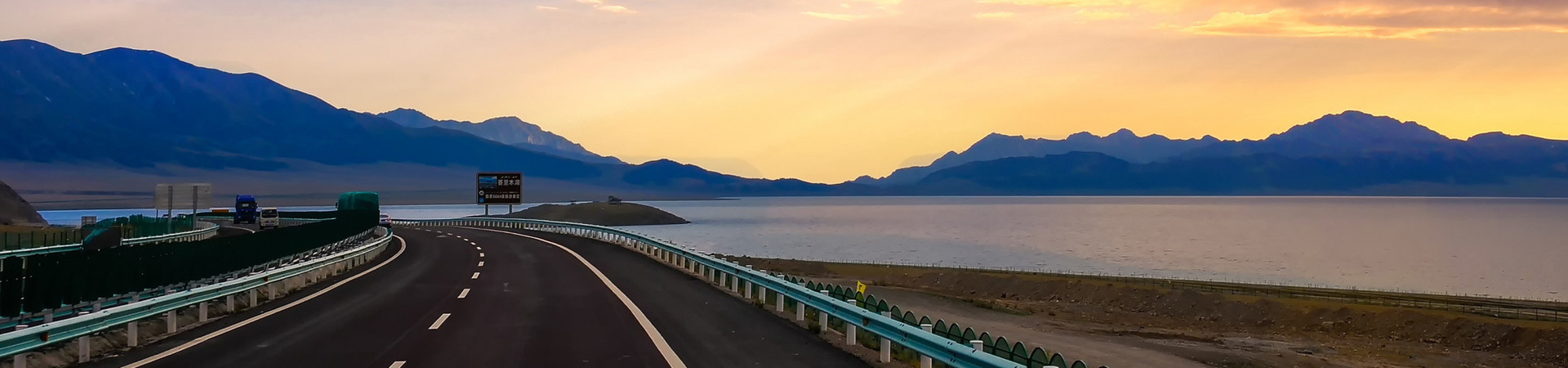
Enhancing Bridge Safety with Guard Rail Systems: Ensuring Safe Passage for All
Release time:
2023-09-18
Table of Contents: 1. Introduction: Guard Rail Systems and Bridge Safety 2. The Importance of Guard Rail Systems in Preventing Accidents 3. Understanding the Types of Guard Rail Systems 3.1 Traditional W-Beam Guard Rail Systems 3.2 Cable Guard Rail Systems 3.3 Concrete Barrier Systems 3.4 Steel Beam Guard Rail Systems 4. The Installation Process of Guard Rail Systems 5. Effectiveness o
Table of Contents:
1. Introduction: Guard Rail Systems and Bridge Safety
2. The Importance of Guard Rail Systems in Preventing Accidents
3. Understanding the Types of Guard Rail Systems
3.1 Traditional W-Beam Guard Rail Systems
3.2 Cable Guard Rail Systems
3.3 Concrete Barrier Systems
3.4 Steel Beam Guard Rail Systems
4. The Installation Process of Guard Rail Systems
5. Effectiveness of Guard Rail Systems in Reducing Risks
6. Advancements in Guard Rail Technology
7. Frequently Asked Questions (FAQs)
7.1 How do guard rail systems enhance bridge safety?
7.2 Do guard rail systems require regular maintenance?
7.3 Can guard rail systems withstand severe weather conditions?
7.4 Are guard rail systems cost-effective?
7.5 Can guard rail systems be customized to fit different bridge designs?
8. Conclusion
1. Introduction: Guard Rail Systems and Bridge Safety
Guard rail systems are essential components of bridge infrastructure that help enhance safety for motorists and pedestrians alike. By providing a physical barrier between the road and potential hazards, guard rail systems play a vital role in preventing accidents and protecting commuters.
2. The Importance of Guard Rail Systems in Preventing Accidents
Guard rail systems act as a protective shield, preventing vehicles from veering off bridges, reducing the risk of rollovers, and mitigating the severity of accidents. They help redirect errant vehicles back onto the road, minimizing the chances of collision with other vehicles or pedestrians.
3. Understanding the Types of Guard Rail Systems
3.1 Traditional W-Beam Guard Rail Systems
W-beam guard rail systems are the most commonly used type of guard rail system. They consist of a series of steel beams shaped like a "W" that are connected to sturdy posts along the edge of the bridge. This design allows for maximum flexibility and energy absorption upon impact.
3.2 Cable Guard Rail Systems
Cable guard rail systems utilize high-tensile steel cables anchored to sturdy posts. These systems are known for their ability to absorb energy during collisions, reducing the impact forces on vehicles and occupants. Cable guard rail systems are often used on bridges with limited space or those requiring aesthetic considerations.
3.3 Concrete Barrier Systems
Concrete barrier systems provide a robust and durable solution for bridge safety. These barriers are made of precast concrete segments that are interconnected to form a continuous wall along the edge of the bridge. Concrete barrier systems offer excellent crash resistance and protection against roadside hazards.
3.4 Steel Beam Guard Rail Systems
Steel beam guard rail systems utilize horizontal steel beams connected to steel posts. These systems are designed to withstand high impact forces and provide optimal protection for motorists. Steel beam guard rail systems are commonly used in areas with heavy traffic or where additional strength is required.
4. The Installation Process of Guard Rail Systems
The installation of guard rail systems involves careful planning, precise measurements, and adherence to safety standards. The process typically includes site preparation, post installation, beam and cable placement, and end treatments. Professional installation ensures the effectiveness and reliability of guard rail systems.
5. Effectiveness of Guard Rail Systems in Reducing Risks
Guard rail systems have proven to be highly effective in reducing the severity of accidents and minimizing the risk of injury or fatality. Their ability to redirect vehicles, absorb energy, and create a physical barrier significantly enhances bridge safety and ensures safe passage for all.
6. Advancements in Guard Rail Technology
Advancements in guard rail technology continue to improve bridge safety. Innovations such as crash cushions, breakaway posts, and energy-absorbing materials enhance the performance and reliability of guard rail systems. Continuous research and development strive to further enhance the effectiveness of these systems.
7. Frequently Asked Questions (FAQs)
7.1 How do guard rail systems enhance bridge safety?
Guard rail systems enhance bridge safety by providing a physical barrier between the road and potential hazards. They redirect vehicles, absorb energy, and reduce the risk of accidents.
7.2 Do guard rail systems require regular maintenance?
Yes, guard rail systems require regular maintenance to ensure their effectiveness. Regular inspections, repairs, and replacements of damaged components are essential for optimal performance.
7.3 Can guard rail systems withstand severe weather conditions?
Guard rail systems are designed to withstand a wide range of weather conditions, including extreme temperatures, heavy rainfall, and high winds. However, regular maintenance and inspections are necessary to identify and address any potential vulnerabilities.
7.4 Are guard rail systems cost-effective?
Yes, guard rail systems are cost-effective investments in bridge safety. The prevention of accidents and the reduction of potential damages outweigh the costs associated with their installation and maintenance.
7.5 Can guard rail systems be customized to fit different bridge designs?
Yes, guard rail systems can be customized to fit different bridge designs. Manufacturers offer a range of options to accommodate various architectural and engineering requirements.
8. Conclusion
Guard rail systems are instrumental in enhancing bridge safety, providing a secure infrastructure for safe passage across bridges. By preventing accidents, protecting commuters, and promoting overall road safety, these systems play a crucial role in ensuring the well-being of all road users. With ongoing advancements in technology and continuous efforts to improve their effectiveness, guard rail systems continue to contribute to safer bridges for everyone.
1. Introduction: Guard Rail Systems and Bridge Safety
2. The Importance of Guard Rail Systems in Preventing Accidents
3. Understanding the Types of Guard Rail Systems
3.1 Traditional W-Beam Guard Rail Systems
3.2 Cable Guard Rail Systems
3.3 Concrete Barrier Systems
3.4 Steel Beam Guard Rail Systems
4. The Installation Process of Guard Rail Systems
5. Effectiveness of Guard Rail Systems in Reducing Risks
6. Advancements in Guard Rail Technology
7. Frequently Asked Questions (FAQs)
7.1 How do guard rail systems enhance bridge safety?
7.2 Do guard rail systems require regular maintenance?
7.3 Can guard rail systems withstand severe weather conditions?
7.4 Are guard rail systems cost-effective?
7.5 Can guard rail systems be customized to fit different bridge designs?
8. Conclusion
1. Introduction: Guard Rail Systems and Bridge Safety
Guard rail systems are essential components of bridge infrastructure that help enhance safety for motorists and pedestrians alike. By providing a physical barrier between the road and potential hazards, guard rail systems play a vital role in preventing accidents and protecting commuters.
2. The Importance of Guard Rail Systems in Preventing Accidents
Guard rail systems act as a protective shield, preventing vehicles from veering off bridges, reducing the risk of rollovers, and mitigating the severity of accidents. They help redirect errant vehicles back onto the road, minimizing the chances of collision with other vehicles or pedestrians.
3. Understanding the Types of Guard Rail Systems
3.1 Traditional W-Beam Guard Rail Systems
W-beam guard rail systems are the most commonly used type of guard rail system. They consist of a series of steel beams shaped like a "W" that are connected to sturdy posts along the edge of the bridge. This design allows for maximum flexibility and energy absorption upon impact.
3.2 Cable Guard Rail Systems
Cable guard rail systems utilize high-tensile steel cables anchored to sturdy posts. These systems are known for their ability to absorb energy during collisions, reducing the impact forces on vehicles and occupants. Cable guard rail systems are often used on bridges with limited space or those requiring aesthetic considerations.
3.3 Concrete Barrier Systems
Concrete barrier systems provide a robust and durable solution for bridge safety. These barriers are made of precast concrete segments that are interconnected to form a continuous wall along the edge of the bridge. Concrete barrier systems offer excellent crash resistance and protection against roadside hazards.
3.4 Steel Beam Guard Rail Systems
Steel beam guard rail systems utilize horizontal steel beams connected to steel posts. These systems are designed to withstand high impact forces and provide optimal protection for motorists. Steel beam guard rail systems are commonly used in areas with heavy traffic or where additional strength is required.
4. The Installation Process of Guard Rail Systems
The installation of guard rail systems involves careful planning, precise measurements, and adherence to safety standards. The process typically includes site preparation, post installation, beam and cable placement, and end treatments. Professional installation ensures the effectiveness and reliability of guard rail systems.
5. Effectiveness of Guard Rail Systems in Reducing Risks
Guard rail systems have proven to be highly effective in reducing the severity of accidents and minimizing the risk of injury or fatality. Their ability to redirect vehicles, absorb energy, and create a physical barrier significantly enhances bridge safety and ensures safe passage for all.
6. Advancements in Guard Rail Technology
Advancements in guard rail technology continue to improve bridge safety. Innovations such as crash cushions, breakaway posts, and energy-absorbing materials enhance the performance and reliability of guard rail systems. Continuous research and development strive to further enhance the effectiveness of these systems.
7. Frequently Asked Questions (FAQs)
7.1 How do guard rail systems enhance bridge safety?
Guard rail systems enhance bridge safety by providing a physical barrier between the road and potential hazards. They redirect vehicles, absorb energy, and reduce the risk of accidents.
7.2 Do guard rail systems require regular maintenance?
Yes, guard rail systems require regular maintenance to ensure their effectiveness. Regular inspections, repairs, and replacements of damaged components are essential for optimal performance.
7.3 Can guard rail systems withstand severe weather conditions?
Guard rail systems are designed to withstand a wide range of weather conditions, including extreme temperatures, heavy rainfall, and high winds. However, regular maintenance and inspections are necessary to identify and address any potential vulnerabilities.
7.4 Are guard rail systems cost-effective?
Yes, guard rail systems are cost-effective investments in bridge safety. The prevention of accidents and the reduction of potential damages outweigh the costs associated with their installation and maintenance.
7.5 Can guard rail systems be customized to fit different bridge designs?
Yes, guard rail systems can be customized to fit different bridge designs. Manufacturers offer a range of options to accommodate various architectural and engineering requirements.
8. Conclusion
Guard rail systems are instrumental in enhancing bridge safety, providing a secure infrastructure for safe passage across bridges. By preventing accidents, protecting commuters, and promoting overall road safety, these systems play a crucial role in ensuring the well-being of all road users. With ongoing advancements in technology and continuous efforts to improve their effectiveness, guard rail systems continue to contribute to safer bridges for everyone.
Latest News