Welcome to Liaocheng Junhan International Trade Co., Ltd.


-
PRODUCT CENTERThe main business scope: the production and sales of highway wave guardrail panels, columns, anti-blocking blocks, anti-glare plate brackets, bridge guardrail and other traffic protection facilities.
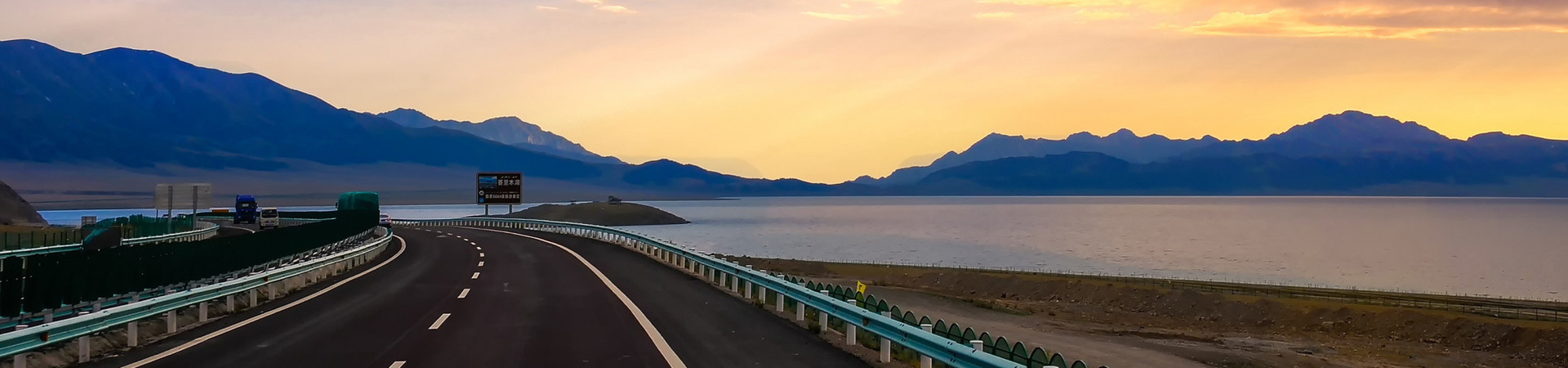
Installing Highway Wave Guardrail Panels for Enhanced Road Safety: A Comprehensive Guide to Secure Roads
Release time:
2023-09-04
Table of Contents: 1. Introduction: Understanding the Importance of Wave Guardrail Panels 2. Types and Specifications of Wave Guardrail Panels 2.1 Types of Wave Guardrail Panels 2.2 Specifications and Materials 3. Preparation and Planning for Installation 3.1 Conducting a Site Survey 3.2 Acquiring Permits and Permissions 3.3 Gathering Tools and Equipment 4. Installing Highway Wave G
Table of Contents:
1. Introduction: Understanding the Importance of Wave Guardrail Panels
2. Types and Specifications of Wave Guardrail Panels
2.1 Types of Wave Guardrail Panels
2.2 Specifications and Materials
3. Preparation and Planning for Installation
3.1 Conducting a Site Survey
3.2 Acquiring Permits and Permissions
3.3 Gathering Tools and Equipment
4. Installing Highway Wave Guardrail Panels Step by Step
4.1 Step 1: Clearing the Installation Area
4.2 Step 2: Marking Post Locations
4.3 Step 3: Digging Holes for Posts
4.4 Step 4: Setting and Aligning Posts
4.5 Step 5: Attaching Wave Guardrail Panels to Posts
4.6 Step 6: Securing the I-Beam Posts
4.7 Step 7: Testing the Installed Guardrail System
5. Maintenance and Inspection of Wave Guardrail Panels
5.1 Regular Inspections and Maintenance Checks
5.2 Repairing and Replacing Damaged Panels
6. Benefits of Installing Highway Wave Guardrail Panels
6.1 Enhanced Road Safety and Protection
6.2 Reduction of Fatalities and Injuries
6.3 Prevention of Vehicle Collisions and Rollovers
6.4 Cost-Effectiveness and Long-Term Durability
7. Frequently Asked Questions (FAQs)
7.1 What are wave guardrail panels?
7.2 How do wave guardrail panels enhance road safety?
7.3 Can wave guardrail panels withstand extreme weather conditions?
7.4 Are wave guardrail panels easy to install?
7.5 How often should wave guardrail panels be inspected?
8. Conclusion
1. Introduction: Understanding the Importance of Wave Guardrail Panels
Highway wave guardrail panels play a crucial role in ensuring road safety by providing a protective barrier between vehicles and roadside hazards. This article explores the significance of installing wave guardrail panels and the steps involved in their installation.
2. Types and Specifications of Wave Guardrail Panels
2.1 Types of Wave Guardrail Panels
There are different types of wave guardrail panels available, including the W-beam and Thrie-beam panels. Each panel type offers specific benefits and is suitable for different road conditions and traffic volumes.
2.2 Specifications and Materials
Wave guardrail panels are typically made of galvanized steel, which offers durability and resistance against corrosion. The panels have specific dimensions and specifications that should be considered during the installation process.
3. Preparation and Planning for Installation
3.1 Conducting a Site Survey
Before beginning the installation, it is essential to conduct a thorough site survey to assess the road conditions, traffic patterns, and potential hazards. This survey helps in determining the appropriate placement and alignment of the wave guardrail panels.
3.2 Acquiring Permits and Permissions
Obtaining the necessary permits and permissions from the relevant authorities is crucial to ensure compliance with local regulations. This step ensures that the installation process is legal and avoids potential issues in the future.
3.3 Gathering Tools and Equipment
To install wave guardrail panels successfully, specific tools and equipment are required. These may include post hole diggers, a level, measuring tape, and wrenches. Gathering all the necessary tools beforehand saves time and ensures a smooth installation process.
4. Installing Highway Wave Guardrail Panels Step by Step
4.1 Step 1: Clearing the Installation Area
Before installing the wave guardrail panels, it is crucial to clear the installation area of any debris, vegetation, or obstacles that may hinder the process. This step ensures a clean and accessible working space.
4.2 Step 2: Marking Post Locations
Marking the post locations along the road is essential for accurate panel placement. This step involves measuring and marking the positions where the posts will be installed.
4.3 Step 3: Digging Holes for Posts
Using post hole diggers or a similar tool, dig holes at the marked locations for the posts. The depth and diameter of the holes should match the specifications provided by the manufacturer.
4.4 Step 4: Setting and Aligning Posts
Place the posts in the holes and ensure they are aligned correctly. Using a level, adjust the posts to ensure they are perfectly vertical and aligned with the road.
4.5 Step 5: Attaching Wave Guardrail Panels to Posts
Attach the wave guardrail panels to the posts using appropriate bolts or fasteners, following the manufacturer's instructions. Ensure the panels are securely attached and aligned with the road's curvature.
4.6 Step 6: Securing the I-Beam Posts
To provide additional stability, secure I-beam posts to the wave guardrail panels using appropriate connectors. This step reinforces the entire guardrail system and improves its overall strength.
4.7 Step 7: Testing the Installed Guardrail System
After completing the installation, it is essential to test the installed guardrail system for stability and structural integrity. This step involves applying pressure or conducting impact tests to ensure the system can withstand potential collisions.
5. Maintenance and Inspection of Wave Guardrail Panels
5.1 Regular Inspections and Maintenance Checks
Regular inspections and maintenance checks are necessary to ensure the wave guardrail panels are in optimal condition. Inspect for any signs of damage, corrosion, or loose connections and address them promptly.
5.2 Repairing and Replacing Damaged Panels
If any wave guardrail panels are damaged, repair or replace them immediately to maintain the integrity of the guardrail system. Prompt action can prevent accidents and ensure continued road safety.
6. Benefits of Installing Highway Wave Guardrail Panels
6.1 Enhanced Road Safety and Protection
The installation of wave guardrail panels significantly improves road safety by providing a physical barrier between vehicles and potential hazards. They absorb impact energy and prevent vehicles from veering off the road.
6.2 Reduction of Fatalities and Injuries
Wave guardrail panels have been proven to reduce the number of fatalities and injuries resulting from road accidents. Their ability to redirect vehicles and absorb impact energy minimizes the severity of collisions.
6.3 Prevention of Vehicle Collisions and Rollovers
Wave guardrail panels help prevent vehicle collisions and rollovers by guiding vehicles back onto the road and preventing them from crossing into opposing traffic lanes or hitting fixed objects.
6.4 Cost-Effectiveness and Long-Term Durability
Investing in wave guardrail panels is a cost-effective solution for ensuring road safety in the long run. These panels are durable and require minimal maintenance, reducing the overall cost of upkeep.
7. Frequently Asked Questions (FAQs)
7.1 What are wave guardrail panels?
Wave guardrail panels are protective barriers installed along highways and roads to enhance road safety. They consist of steel panels that are designed to absorb impact energy and redirect vehicles.
7.2 How do wave guardrail panels enhance road safety?
Wave guardrail panels enhance road safety by providing a physical barrier between vehicles and potential hazards. They help absorb impact energy, redirect vehicles, and prevent them from leaving the road.
7.3 Can wave guardrail panels withstand extreme weather conditions?
Yes, wave guardrail panels are made of galvanized steel, which provides durability and resistance against extreme weather conditions. They can withstand strong winds, heavy rainfall, and other environmental factors.
7.4 Are wave guardrail panels easy to install?
With the right tools and equipment, wave guardrail panels can be relatively easy to install. However, it is essential to follow the correct installation procedures and guidelines to ensure a secure and reliable installation.
7.5 How often should wave guardrail panels be inspected?
Wave guardrail panels should be inspected regularly to detect any signs of damage or wear. It is recommended to conduct inspections at least once a year and after any significant weather events or accidents.
8. Conclusion
Installing highway wave guardrail panels is a crucial step in enhancing road safety and protecting motorists. By following the proper installation procedures and conducting regular inspections, you can ensure a reliable and durable guardrail system. Remember, wave guardrail panels play a vital role in preventing accidents, reducing injuries, and ultimately saving lives on our roads.
1. Introduction: Understanding the Importance of Wave Guardrail Panels
2. Types and Specifications of Wave Guardrail Panels
2.1 Types of Wave Guardrail Panels
2.2 Specifications and Materials
3. Preparation and Planning for Installation
3.1 Conducting a Site Survey
3.2 Acquiring Permits and Permissions
3.3 Gathering Tools and Equipment
4. Installing Highway Wave Guardrail Panels Step by Step
4.1 Step 1: Clearing the Installation Area
4.2 Step 2: Marking Post Locations
4.3 Step 3: Digging Holes for Posts
4.4 Step 4: Setting and Aligning Posts
4.5 Step 5: Attaching Wave Guardrail Panels to Posts
4.6 Step 6: Securing the I-Beam Posts
4.7 Step 7: Testing the Installed Guardrail System
5. Maintenance and Inspection of Wave Guardrail Panels
5.1 Regular Inspections and Maintenance Checks
5.2 Repairing and Replacing Damaged Panels
6. Benefits of Installing Highway Wave Guardrail Panels
6.1 Enhanced Road Safety and Protection
6.2 Reduction of Fatalities and Injuries
6.3 Prevention of Vehicle Collisions and Rollovers
6.4 Cost-Effectiveness and Long-Term Durability
7. Frequently Asked Questions (FAQs)
7.1 What are wave guardrail panels?
7.2 How do wave guardrail panels enhance road safety?
7.3 Can wave guardrail panels withstand extreme weather conditions?
7.4 Are wave guardrail panels easy to install?
7.5 How often should wave guardrail panels be inspected?
8. Conclusion
1. Introduction: Understanding the Importance of Wave Guardrail Panels
Highway wave guardrail panels play a crucial role in ensuring road safety by providing a protective barrier between vehicles and roadside hazards. This article explores the significance of installing wave guardrail panels and the steps involved in their installation.
2. Types and Specifications of Wave Guardrail Panels
2.1 Types of Wave Guardrail Panels
There are different types of wave guardrail panels available, including the W-beam and Thrie-beam panels. Each panel type offers specific benefits and is suitable for different road conditions and traffic volumes.
2.2 Specifications and Materials
Wave guardrail panels are typically made of galvanized steel, which offers durability and resistance against corrosion. The panels have specific dimensions and specifications that should be considered during the installation process.
3. Preparation and Planning for Installation
3.1 Conducting a Site Survey
Before beginning the installation, it is essential to conduct a thorough site survey to assess the road conditions, traffic patterns, and potential hazards. This survey helps in determining the appropriate placement and alignment of the wave guardrail panels.
3.2 Acquiring Permits and Permissions
Obtaining the necessary permits and permissions from the relevant authorities is crucial to ensure compliance with local regulations. This step ensures that the installation process is legal and avoids potential issues in the future.
3.3 Gathering Tools and Equipment
To install wave guardrail panels successfully, specific tools and equipment are required. These may include post hole diggers, a level, measuring tape, and wrenches. Gathering all the necessary tools beforehand saves time and ensures a smooth installation process.
4. Installing Highway Wave Guardrail Panels Step by Step
4.1 Step 1: Clearing the Installation Area
Before installing the wave guardrail panels, it is crucial to clear the installation area of any debris, vegetation, or obstacles that may hinder the process. This step ensures a clean and accessible working space.
4.2 Step 2: Marking Post Locations
Marking the post locations along the road is essential for accurate panel placement. This step involves measuring and marking the positions where the posts will be installed.
4.3 Step 3: Digging Holes for Posts
Using post hole diggers or a similar tool, dig holes at the marked locations for the posts. The depth and diameter of the holes should match the specifications provided by the manufacturer.
4.4 Step 4: Setting and Aligning Posts
Place the posts in the holes and ensure they are aligned correctly. Using a level, adjust the posts to ensure they are perfectly vertical and aligned with the road.
4.5 Step 5: Attaching Wave Guardrail Panels to Posts
Attach the wave guardrail panels to the posts using appropriate bolts or fasteners, following the manufacturer's instructions. Ensure the panels are securely attached and aligned with the road's curvature.
4.6 Step 6: Securing the I-Beam Posts
To provide additional stability, secure I-beam posts to the wave guardrail panels using appropriate connectors. This step reinforces the entire guardrail system and improves its overall strength.
4.7 Step 7: Testing the Installed Guardrail System
After completing the installation, it is essential to test the installed guardrail system for stability and structural integrity. This step involves applying pressure or conducting impact tests to ensure the system can withstand potential collisions.
5. Maintenance and Inspection of Wave Guardrail Panels
5.1 Regular Inspections and Maintenance Checks
Regular inspections and maintenance checks are necessary to ensure the wave guardrail panels are in optimal condition. Inspect for any signs of damage, corrosion, or loose connections and address them promptly.
5.2 Repairing and Replacing Damaged Panels
If any wave guardrail panels are damaged, repair or replace them immediately to maintain the integrity of the guardrail system. Prompt action can prevent accidents and ensure continued road safety.
6. Benefits of Installing Highway Wave Guardrail Panels
6.1 Enhanced Road Safety and Protection
The installation of wave guardrail panels significantly improves road safety by providing a physical barrier between vehicles and potential hazards. They absorb impact energy and prevent vehicles from veering off the road.
6.2 Reduction of Fatalities and Injuries
Wave guardrail panels have been proven to reduce the number of fatalities and injuries resulting from road accidents. Their ability to redirect vehicles and absorb impact energy minimizes the severity of collisions.
6.3 Prevention of Vehicle Collisions and Rollovers
Wave guardrail panels help prevent vehicle collisions and rollovers by guiding vehicles back onto the road and preventing them from crossing into opposing traffic lanes or hitting fixed objects.
6.4 Cost-Effectiveness and Long-Term Durability
Investing in wave guardrail panels is a cost-effective solution for ensuring road safety in the long run. These panels are durable and require minimal maintenance, reducing the overall cost of upkeep.
7. Frequently Asked Questions (FAQs)
7.1 What are wave guardrail panels?
Wave guardrail panels are protective barriers installed along highways and roads to enhance road safety. They consist of steel panels that are designed to absorb impact energy and redirect vehicles.
7.2 How do wave guardrail panels enhance road safety?
Wave guardrail panels enhance road safety by providing a physical barrier between vehicles and potential hazards. They help absorb impact energy, redirect vehicles, and prevent them from leaving the road.
7.3 Can wave guardrail panels withstand extreme weather conditions?
Yes, wave guardrail panels are made of galvanized steel, which provides durability and resistance against extreme weather conditions. They can withstand strong winds, heavy rainfall, and other environmental factors.
7.4 Are wave guardrail panels easy to install?
With the right tools and equipment, wave guardrail panels can be relatively easy to install. However, it is essential to follow the correct installation procedures and guidelines to ensure a secure and reliable installation.
7.5 How often should wave guardrail panels be inspected?
Wave guardrail panels should be inspected regularly to detect any signs of damage or wear. It is recommended to conduct inspections at least once a year and after any significant weather events or accidents.
8. Conclusion
Installing highway wave guardrail panels is a crucial step in enhancing road safety and protecting motorists. By following the proper installation procedures and conducting regular inspections, you can ensure a reliable and durable guardrail system. Remember, wave guardrail panels play a vital role in preventing accidents, reducing injuries, and ultimately saving lives on our roads.
Latest News