Welcome to Liaocheng Junhan International Trade Co., Ltd.


-
PRODUCT CENTERThe main business scope: the production and sales of highway wave guardrail panels, columns, anti-blocking blocks, anti-glare plate brackets, bridge guardrail and other traffic protection facilities.
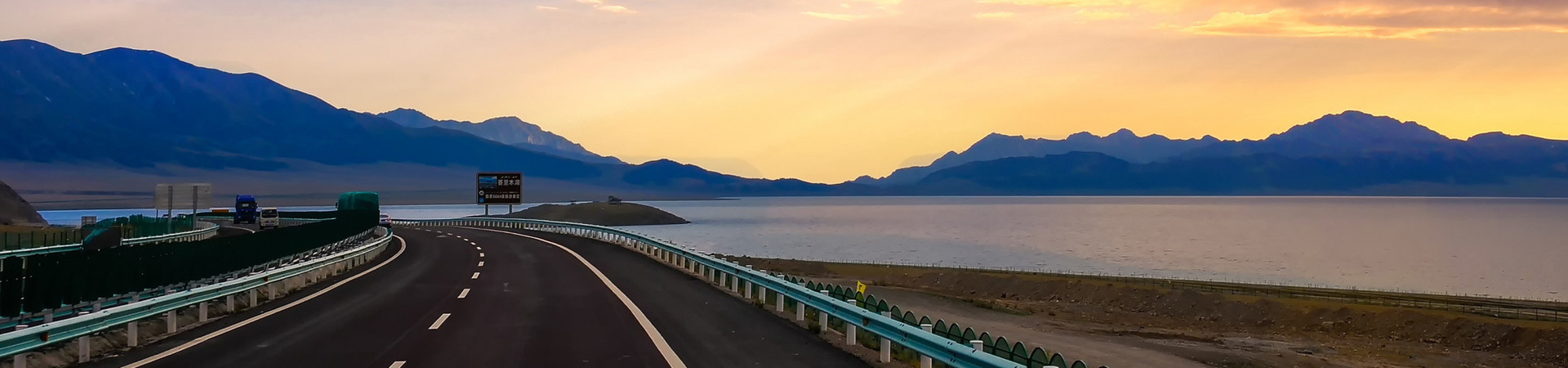
Bridge Guardrail: Ensuring Road Safety
Release time:
2023-09-03
Introduction: Bridge guardrails play a vital role in ensuring road safety by preventing accidents and protecting drivers and pedestrians. In the automotive and accessories industry, specifically in traffic safety equipment, guardrails are essential components that provide a protective barrier along bridges. This article aims to explore the significance of bridge guardrails and their various types.
Introduction:
Bridge guardrails play a vital role in ensuring road safety by preventing accidents and protecting drivers and pedestrians. In the automotive and accessories industry, specifically in traffic safety equipment, guardrails are essential components that provide a protective barrier along bridges. This article aims to explore the significance of bridge guardrails and their various types.
1. The Importance of Bridge Guardrails:
Bridge guardrails serve as a critical safety measure, guiding vehicles along the roadway and preventing them from accidentally driving off the bridge. They act as a physical barrier, reducing the risk of severe accidents by containing vehicles within the bridge's boundaries.
2. Types of Bridge Guardrails:
a. W-Beam Guardrails: One of the most common types of guardrails, the W-beam guardrail consists of steel beams shaped like a "W." These guardrails provide effective protection by absorbing impact energy during a collision, minimizing the damage caused to vehicles and passengers.
b. Thrie-Beam Guardrails: Thrie-beam guardrails are similar to W-beam guardrails but have a different shape, resembling three waves. This design offers enhanced safety by providing greater containment for larger vehicles.
c. Cable Guardrails: Cable guardrails utilize steel cables instead of solid beams. These guardrails are known for their flexibility and ability to absorb impact energy. Cable guardrails are often used on bridges with scenic views to maintain visibility while ensuring safety.
3. Installation and Maintenance:
Installing and maintaining bridge guardrails require professional expertise to ensure proper functionality. Regular inspections, repairs, and replacements are essential to keep guardrails in optimal condition. By adhering to strict maintenance protocols, the risk of accidents caused by damaged or deteriorated guardrails can be minimized.
4. Advancements in Guardrail Technology:
As technology continues to evolve, innovative guardrail systems are being developed to enhance road safety. These include energy-absorbing guardrails that reduce the impact force during collisions and guardrails with reflective surfaces to improve visibility during nighttime driving.
Conclusion:
Bridge guardrails are crucial components in the automotive and accessories industry, specifically in traffic safety equipment. They provide essential protection by guiding vehicles and preventing accidents on bridges. With various types of guardrails available, such as W-beam, thrie-beam, and cable guardrails, professionals in the industry can choose the most suitable option for specific bridge requirements. Regular maintenance and advancements in guardrail technology further contribute to improving road safety and ensuring a secure driving experience.
Bridge guardrails play a vital role in ensuring road safety by preventing accidents and protecting drivers and pedestrians. In the automotive and accessories industry, specifically in traffic safety equipment, guardrails are essential components that provide a protective barrier along bridges. This article aims to explore the significance of bridge guardrails and their various types.
1. The Importance of Bridge Guardrails:
Bridge guardrails serve as a critical safety measure, guiding vehicles along the roadway and preventing them from accidentally driving off the bridge. They act as a physical barrier, reducing the risk of severe accidents by containing vehicles within the bridge's boundaries.
2. Types of Bridge Guardrails:
a. W-Beam Guardrails: One of the most common types of guardrails, the W-beam guardrail consists of steel beams shaped like a "W." These guardrails provide effective protection by absorbing impact energy during a collision, minimizing the damage caused to vehicles and passengers.
b. Thrie-Beam Guardrails: Thrie-beam guardrails are similar to W-beam guardrails but have a different shape, resembling three waves. This design offers enhanced safety by providing greater containment for larger vehicles.
c. Cable Guardrails: Cable guardrails utilize steel cables instead of solid beams. These guardrails are known for their flexibility and ability to absorb impact energy. Cable guardrails are often used on bridges with scenic views to maintain visibility while ensuring safety.
3. Installation and Maintenance:
Installing and maintaining bridge guardrails require professional expertise to ensure proper functionality. Regular inspections, repairs, and replacements are essential to keep guardrails in optimal condition. By adhering to strict maintenance protocols, the risk of accidents caused by damaged or deteriorated guardrails can be minimized.
4. Advancements in Guardrail Technology:
As technology continues to evolve, innovative guardrail systems are being developed to enhance road safety. These include energy-absorbing guardrails that reduce the impact force during collisions and guardrails with reflective surfaces to improve visibility during nighttime driving.
Conclusion:
Bridge guardrails are crucial components in the automotive and accessories industry, specifically in traffic safety equipment. They provide essential protection by guiding vehicles and preventing accidents on bridges. With various types of guardrails available, such as W-beam, thrie-beam, and cable guardrails, professionals in the industry can choose the most suitable option for specific bridge requirements. Regular maintenance and advancements in guardrail technology further contribute to improving road safety and ensuring a secure driving experience.
Latest News