Welcome to Liaocheng Junhan International Trade Co., Ltd.


-
PRODUCT CENTERThe main business scope: the production and sales of highway wave guardrail panels, columns, anti-blocking blocks, anti-glare plate brackets, bridge guardrail and other traffic protection facilities.
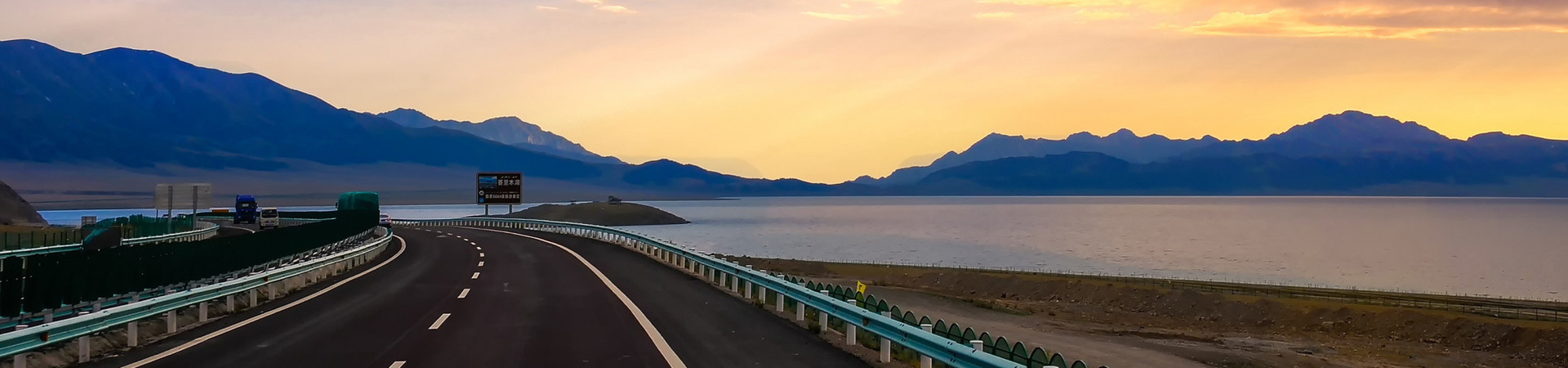
Choosing the Right Type of Barrier for Road Safety: A Comprehensive Guide to Ensuring Maximum Protection
Release time:
2023-08-18
Table of Contents: 1. Introduction: Enhancing Road Safety with the Right Barrier 2. Factors to Consider when Choosing a Road Safety Barrier 3. Types of Road Safety Barriers 3.1 Concrete Barriers: The Sturdy Shield 3.2 Steel Barriers: The Versatile Option 3.3 Cable Barriers: An Effective Containment Solution 3.4 Water-filled Barriers: Portable and Impact Absorbing 3.5 Plastic Barrier
Table of Contents:
1. Introduction: Enhancing Road Safety with the Right Barrier
2. Factors to Consider when Choosing a Road Safety Barrier
3. Types of Road Safety Barriers
3.1 Concrete Barriers: The Sturdy Shield
3.2 Steel Barriers: The Versatile Option
3.3 Cable Barriers: An Effective Containment Solution
3.4 Water-filled Barriers: Portable and Impact Absorbing
3.5 Plastic Barriers: Lightweight and Easily Deployable
3.6 Bollards: Protecting Vulnerable Areas
4. Selecting the Right Barrier for Specific Road Conditions
4.1 Highways and Expressways
4.2 Urban Roads and Residential Areas
4.3 Work Zones and Construction Sites
4.4 Pedestrian Zones and Crosswalks
5. FAQs about Road Safety Barriers
5.1 What are the key benefits of installing road safety barriers?
5.2 How often should road safety barriers be inspected and maintained?
5.3 Are there any regulations or standards that govern road safety barriers?
5.4 Can road safety barriers be customized to fit different road designs?
5.5 Are there eco-friendly options for road safety barriers?
6. Conclusion: Prioritizing Road Safety with the Right Barrier
1. Introduction: Enhancing Road Safety with the Right Barrier
Road safety is of paramount importance to ensure the well-being of motorists, pedestrians, and cyclists. Choosing the right type of barrier plays a crucial role in minimizing the risk of accidents and providing effective protection against potential hazards. This comprehensive guide aims to assist you in making informed decisions by exploring key factors and various types of road safety barriers available.
2. Factors to Consider when Choosing a Road Safety Barrier
Before selecting a road safety barrier, it is essential to consider several factors to ensure optimal performance and effectiveness. These factors include the intended purpose of the barrier, traffic volume, speed limits, and the surrounding environment. Additionally, the barrier's durability, installation requirements, and maintenance should also be taken into account.
3. Types of Road Safety Barriers
3.1 Concrete Barriers: The Sturdy Shield
Concrete barriers are known for their exceptional strength and durability. They provide excellent protection against high-speed impacts and are commonly used on highways and other high-traffic areas. Concrete barriers can withstand extreme weather conditions and offer a long service life, making them a reliable choice for road safety.
3.2 Steel Barriers: The Versatile Option
Steel barriers are highly versatile and can be configured to suit various road designs and conditions. They offer robust protection against vehicle intrusions and are often used in urban areas and construction sites. Steel barriers can be galvanized or powder-coated to enhance their durability and resistance to corrosion.
3.3 Cable Barriers: An Effective Containment Solution
Cable barriers are designed to absorb and redirect the impact energy of vehicles, preventing them from crossing into opposing lanes or off the road. These barriers are commonly used on highways and expressways, providing a cost-effective solution for containing and redirecting errant vehicles.
3.4 Water-filled Barriers: Portable and Impact Absorbing
Water-filled barriers are lightweight and easily deployable, making them ideal for temporary road safety needs. They are filled with water to absorb impact energy and can be quickly installed and removed as required. Water-filled barriers are often used in work zones, events, and other temporary applications.
3.5 Plastic Barriers: Lightweight and Easily Deployable
Plastic barriers offer a lightweight and portable solution for road safety. They are easy to handle and install, making them suitable for quick deployments in various situations. Plastic barriers are commonly used for crowd control, temporary road diversions, and pedestrian safety.
3.6 Bollards: Protecting Vulnerable Areas
Bollards are short, sturdy barriers typically used to protect vulnerable areas, such as pedestrian zones, crosswalks, and storefronts. They prevent unauthorized vehicle access while allowing pedestrians and cyclists to pass through. Bollards come in various materials, including steel and concrete, offering a versatile solution for specific safety needs.
4. Selecting the Right Barrier for Specific Road Conditions
4.1 Highways and Expressways
For high-speed roads, concrete barriers and cable barriers are often the preferred choices. These barriers provide robust protection against vehicle intrusions and can effectively contain and redirect errant vehicles.
4.2 Urban Roads and Residential Areas
In urban areas with lower speed limits, steel barriers and plastic barriers offer flexible options. Steel barriers provide reliable protection, while plastic barriers are lightweight and easily customizable for specific road layouts.
4.3 Work Zones and Construction Sites
In work zones and construction sites, water-filled barriers and plastic barriers are commonly used due to their portability and ease of installation. These barriers provide temporary protection and can be quickly deployed and relocated as construction progresses.
4.4 Pedestrian Zones and Crosswalks
Bollards are the preferred choice for protecting pedestrian zones and crosswalks. They create a physical barrier to prevent vehicle intrusion, ensuring the safety of pedestrians and cyclists.
5. FAQs about Road Safety Barriers
5.1 What are the key benefits of installing road safety barriers?
Road safety barriers provide protection for motorists, pedestrians, and cyclists by preventing accidents, containing and redirecting errant vehicles, and reducing the severity of collisions.
5.2 How often should road safety barriers be inspected and maintained?
Road safety barriers should be regularly inspected and maintained according to their specific requirements and relevant regulations. Routine inspections help identify any damage or signs of wear and tear that may affect their performance.
5.3 Are there any regulations or standards that govern road safety barriers?
Yes, various regulations and standards govern the design, installation, and maintenance of road safety barriers. These regulations ensure that barriers meet specific safety requirements and are properly maintained to ensure optimal performance.
5.4 Can road safety barriers be customized to fit different road designs?
Yes, road safety barriers can be customized and configured to fit different road designs, including curves, slopes, and variable heights. This allows for seamless integration while maintaining optimal protection.
5.5 Are there eco-friendly options for road safety barriers?
Yes, eco-friendly options for road safety barriers are available. For example, some barriers are made from recycled materials, reducing the environmental impact while still providing effective protection.
6. Conclusion: Prioritizing Road Safety with the Right Barrier
Selecting the right type of barrier for road safety is crucial to ensure maximum protection and minimize potential hazards. By considering factors such as intended purpose, traffic volume, and surrounding environment, you can make an informed decision. Whether it is concrete barriers, steel barriers, cable barriers, water-filled barriers, plastic barriers, or bollards, each option offers unique features and benefits. By prioritizing road safety and choosing the appropriate barrier, we can create safer roads for everyone.
1. Introduction: Enhancing Road Safety with the Right Barrier
2. Factors to Consider when Choosing a Road Safety Barrier
3. Types of Road Safety Barriers
3.1 Concrete Barriers: The Sturdy Shield
3.2 Steel Barriers: The Versatile Option
3.3 Cable Barriers: An Effective Containment Solution
3.4 Water-filled Barriers: Portable and Impact Absorbing
3.5 Plastic Barriers: Lightweight and Easily Deployable
3.6 Bollards: Protecting Vulnerable Areas
4. Selecting the Right Barrier for Specific Road Conditions
4.1 Highways and Expressways
4.2 Urban Roads and Residential Areas
4.3 Work Zones and Construction Sites
4.4 Pedestrian Zones and Crosswalks
5. FAQs about Road Safety Barriers
5.1 What are the key benefits of installing road safety barriers?
5.2 How often should road safety barriers be inspected and maintained?
5.3 Are there any regulations or standards that govern road safety barriers?
5.4 Can road safety barriers be customized to fit different road designs?
5.5 Are there eco-friendly options for road safety barriers?
6. Conclusion: Prioritizing Road Safety with the Right Barrier
1. Introduction: Enhancing Road Safety with the Right Barrier
Road safety is of paramount importance to ensure the well-being of motorists, pedestrians, and cyclists. Choosing the right type of barrier plays a crucial role in minimizing the risk of accidents and providing effective protection against potential hazards. This comprehensive guide aims to assist you in making informed decisions by exploring key factors and various types of road safety barriers available.
2. Factors to Consider when Choosing a Road Safety Barrier
Before selecting a road safety barrier, it is essential to consider several factors to ensure optimal performance and effectiveness. These factors include the intended purpose of the barrier, traffic volume, speed limits, and the surrounding environment. Additionally, the barrier's durability, installation requirements, and maintenance should also be taken into account.
3. Types of Road Safety Barriers
3.1 Concrete Barriers: The Sturdy Shield
Concrete barriers are known for their exceptional strength and durability. They provide excellent protection against high-speed impacts and are commonly used on highways and other high-traffic areas. Concrete barriers can withstand extreme weather conditions and offer a long service life, making them a reliable choice for road safety.
3.2 Steel Barriers: The Versatile Option
Steel barriers are highly versatile and can be configured to suit various road designs and conditions. They offer robust protection against vehicle intrusions and are often used in urban areas and construction sites. Steel barriers can be galvanized or powder-coated to enhance their durability and resistance to corrosion.
3.3 Cable Barriers: An Effective Containment Solution
Cable barriers are designed to absorb and redirect the impact energy of vehicles, preventing them from crossing into opposing lanes or off the road. These barriers are commonly used on highways and expressways, providing a cost-effective solution for containing and redirecting errant vehicles.
3.4 Water-filled Barriers: Portable and Impact Absorbing
Water-filled barriers are lightweight and easily deployable, making them ideal for temporary road safety needs. They are filled with water to absorb impact energy and can be quickly installed and removed as required. Water-filled barriers are often used in work zones, events, and other temporary applications.
3.5 Plastic Barriers: Lightweight and Easily Deployable
Plastic barriers offer a lightweight and portable solution for road safety. They are easy to handle and install, making them suitable for quick deployments in various situations. Plastic barriers are commonly used for crowd control, temporary road diversions, and pedestrian safety.
3.6 Bollards: Protecting Vulnerable Areas
Bollards are short, sturdy barriers typically used to protect vulnerable areas, such as pedestrian zones, crosswalks, and storefronts. They prevent unauthorized vehicle access while allowing pedestrians and cyclists to pass through. Bollards come in various materials, including steel and concrete, offering a versatile solution for specific safety needs.
4. Selecting the Right Barrier for Specific Road Conditions
4.1 Highways and Expressways
For high-speed roads, concrete barriers and cable barriers are often the preferred choices. These barriers provide robust protection against vehicle intrusions and can effectively contain and redirect errant vehicles.
4.2 Urban Roads and Residential Areas
In urban areas with lower speed limits, steel barriers and plastic barriers offer flexible options. Steel barriers provide reliable protection, while plastic barriers are lightweight and easily customizable for specific road layouts.
4.3 Work Zones and Construction Sites
In work zones and construction sites, water-filled barriers and plastic barriers are commonly used due to their portability and ease of installation. These barriers provide temporary protection and can be quickly deployed and relocated as construction progresses.
4.4 Pedestrian Zones and Crosswalks
Bollards are the preferred choice for protecting pedestrian zones and crosswalks. They create a physical barrier to prevent vehicle intrusion, ensuring the safety of pedestrians and cyclists.
5. FAQs about Road Safety Barriers
5.1 What are the key benefits of installing road safety barriers?
Road safety barriers provide protection for motorists, pedestrians, and cyclists by preventing accidents, containing and redirecting errant vehicles, and reducing the severity of collisions.
5.2 How often should road safety barriers be inspected and maintained?
Road safety barriers should be regularly inspected and maintained according to their specific requirements and relevant regulations. Routine inspections help identify any damage or signs of wear and tear that may affect their performance.
5.3 Are there any regulations or standards that govern road safety barriers?
Yes, various regulations and standards govern the design, installation, and maintenance of road safety barriers. These regulations ensure that barriers meet specific safety requirements and are properly maintained to ensure optimal performance.
5.4 Can road safety barriers be customized to fit different road designs?
Yes, road safety barriers can be customized and configured to fit different road designs, including curves, slopes, and variable heights. This allows for seamless integration while maintaining optimal protection.
5.5 Are there eco-friendly options for road safety barriers?
Yes, eco-friendly options for road safety barriers are available. For example, some barriers are made from recycled materials, reducing the environmental impact while still providing effective protection.
6. Conclusion: Prioritizing Road Safety with the Right Barrier
Selecting the right type of barrier for road safety is crucial to ensure maximum protection and minimize potential hazards. By considering factors such as intended purpose, traffic volume, and surrounding environment, you can make an informed decision. Whether it is concrete barriers, steel barriers, cable barriers, water-filled barriers, plastic barriers, or bollards, each option offers unique features and benefits. By prioritizing road safety and choosing the appropriate barrier, we can create safer roads for everyone.
Latest News